| Seaplane Pilots Association AustraliaThe
Peak Body on all Seaplane Activities in Australia |

Seaplane Training
Its a lifestyle. A love of adventure that pervades every pursuit. Its a passion for life, people, the things around us, and our unique freedom. STOP DREAMING...START WATER FLYING!
This section of our site explains what is involved in gaining your float alighting gear, or floating hull endorsement. Check out the Training Directory, which is a directory of people and seaplane training schools in Australia, where you too can get your feet wet!
Who can train to be a seaplane pilot?
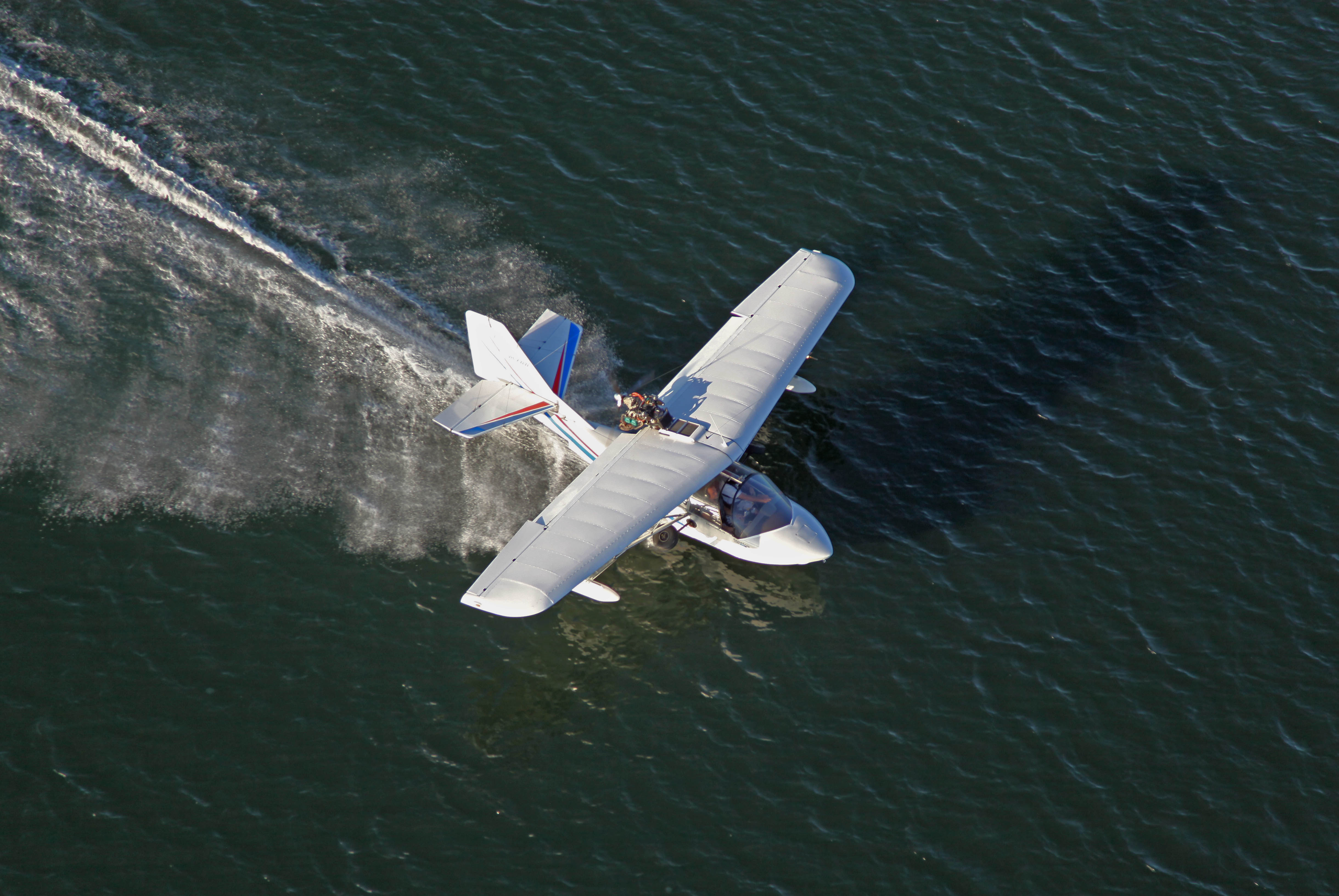
There are no restrictions on who can fly a seaplane, you may start your very first lesson on a seaplane if you so wish. However, due to the higher cost of operating a seaplane in comparison to a land based aircraft, it is wise to qualify as a pilot on a land based aircraft first and then convert onto a seaplane. Therefore the minimum qualification would be the GFPT (General Flying Progress Test).
Do you need a boat licence to operate a seaplane?
Yes, as the aircraft will be travelling at around typically 40 knots for take-off and landing you will need a Boat Drivers Licence. This is obtained through the Waterways or Maritime government agency in your state or juridisction and is a simple matter of studying their free booklet and sitting a multi choice exam.
Are there any other skills or knowledge required, besides being able to fly?
When the seaplane in on the water it is essentially a boat, and therefore is be subject to all the same constraints as any other boat. It is therefore essential that the seaplane pilot has or develops a good knowledge of boat handling/manoeuvring and operations around boats. A good knowledge of knots and knot tying is also essential to the all-round seaplane pilot. If you're not a boatie, not to worry, as all these skills and more will be covered in your training.
When I get my seaplane endorsement where can I land?
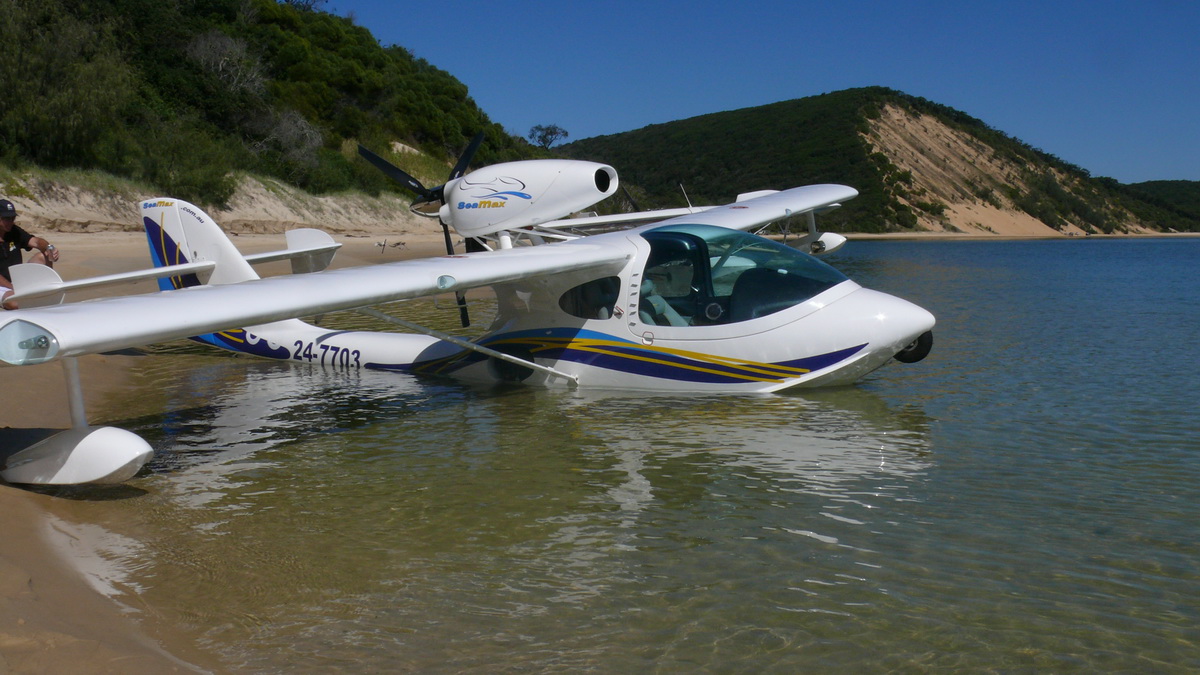
As we said earlier, once on the water the seaplane is essentially a boat, so, wherever a boat can go, so can the seaplane. However, as the seaplane has to achieve a speed in excess of 5 knots to take-off we are restricted to areas where there are no speed restrictions (unless you're only taxiing through a low speed zone). Also if a waterway has been deemed for use by sail boats only (i.e. no power boats) then it would be unwise to land a seaplane there as you would likely be categorised a "powered boat", therefore breaking the rules for the waterway. Also there are some locations where for various reasons (often beaurecratic in nature), seaplanes are completely banned.
A TYPICAL TRAINING SYLLABUS
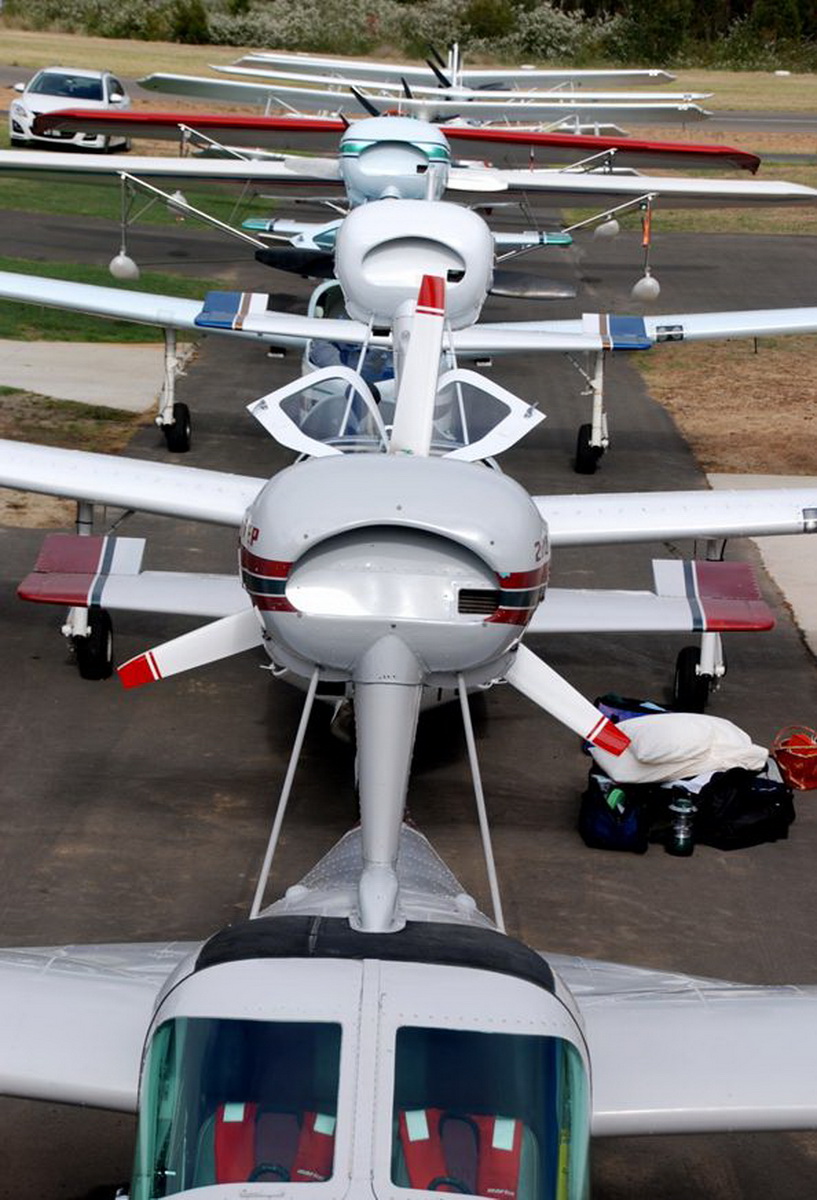
Training for the seaplane endorsement will vary slightly from one instructor to the another as each will have their own approved syllabus. Additionally, each type of aircraft will have its own idiosyncrasies and these must be addressed in the training on that particular aircraft.

When we talk about seaplanes we are speaking generically, that is seaplanes include both floatplanes which are typically land aircraft fitted with floats and; the floating hull which is designed from the outset to operate off water. As the name implies, the floating hull lands on the lower half of its fuselage which is shaped simular to a boat. Handling the floatplane is different to handling the floating hull and the training will of course reflect this.
However a typical syllabus would be as follows. It must be remembered that each element of the syllabus may take a number of lessons to complete.
1) Passenger handling
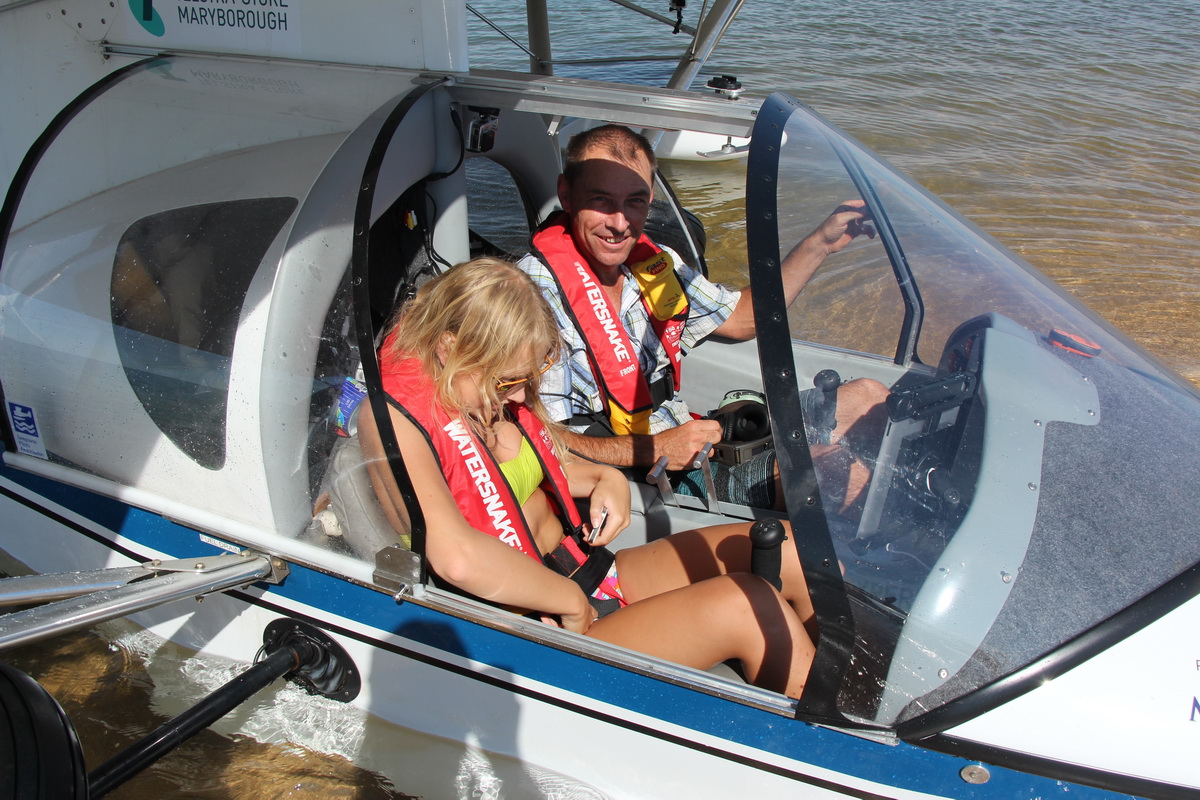
Even more so than in a land operation, the seaplane operation has more inherent difficulties in terms of passenger handling, in many cases the passenger can't simply get out and walk away. In the event of an emergency there are life jackets and their operation to consider.
2) The aircraft and its systems
As with any aircraft we as pilots must be fully conversant with the aircraft and all of its systems, engine operating procedures, loading, and operating speeds etc.
3) The undercarriage
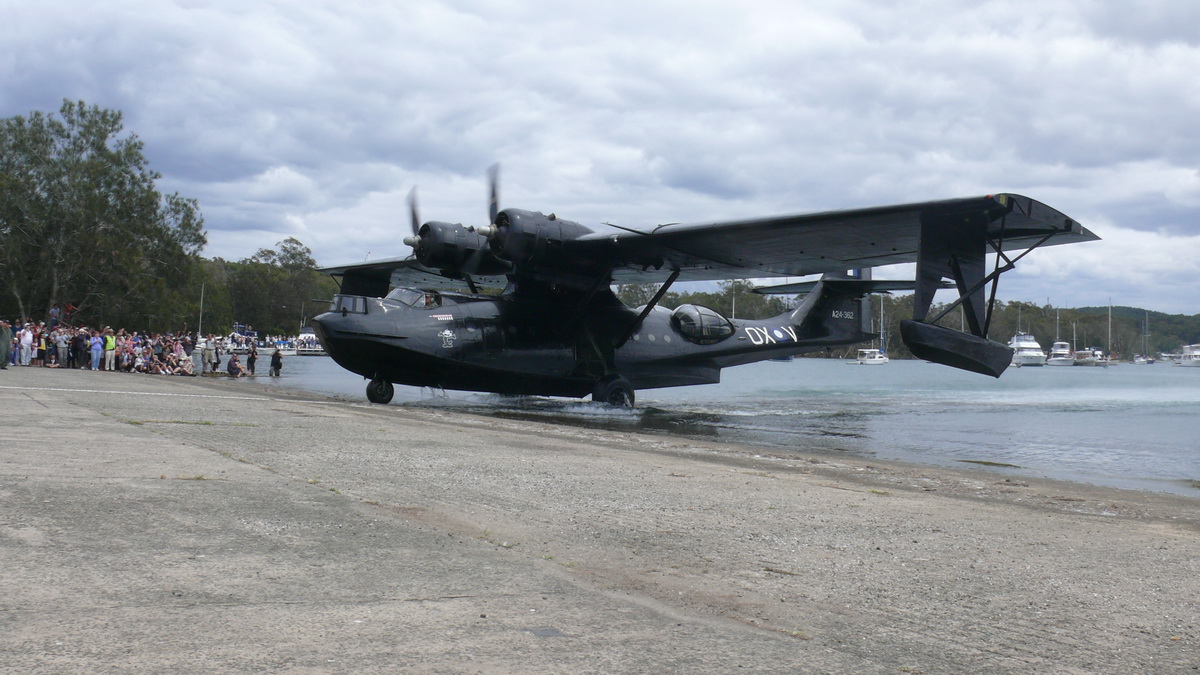
We call it the undercarriage rather than the landing gear because we do more than just land on it. As the undercarriage of a seaplane is not sprung it takes a lot more pounding than the land based counterpart. Therefore, our knowledge of and the pre-flight inspection of the undercarriage must be very thorough.
4) Slow taxiing and step taxiing
Water handling, this is where you start to learn to be a seaplane pilot.
5) Plough turning, mooring, beaching and docking.
More water handling. Here you will learn to deal with the wind verses the aircraft. The seaplane has strong weather cocking tendencies and at times it is very hard to turn the aircraft out of wind, enter the plough turn. Docking the aircraft has its own challengers which must be mastered by the seaplane pilot.
6) Sailing
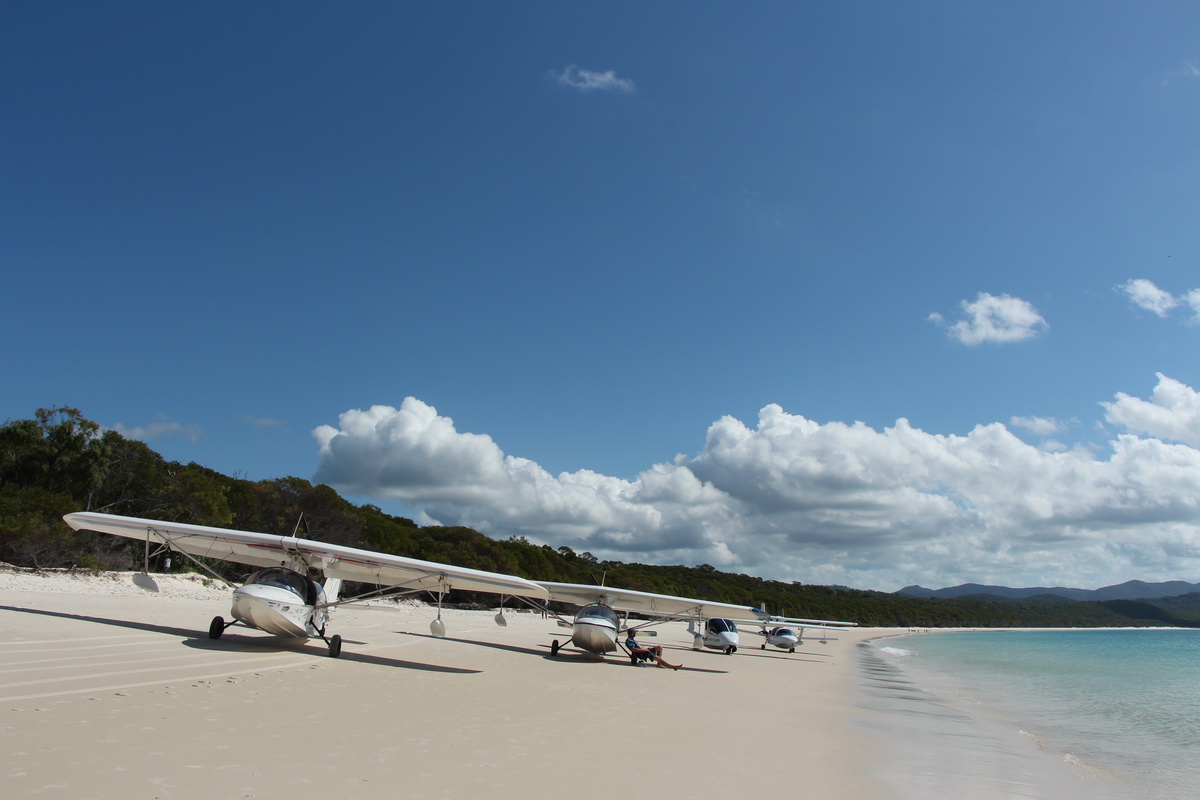
Sometimes it is not possible to turn out of the wind, or taxi down wind. At this time we shut the engine down and sail the aircraft downwind (not drift as we have some control over the direction). The flaps are extended and doors opened to increase sail area.
7) Porpoising
Or more correctly how to deal with this situation.
8) Upper air work
All pilots are familiar with this term. Here you will discover that while the seaplane is not a great boat, all those things hanging from it and in the case of the
floating hull the shape of the fuselage mean that its not a great aeroplane either.
9) Take-off and Landings
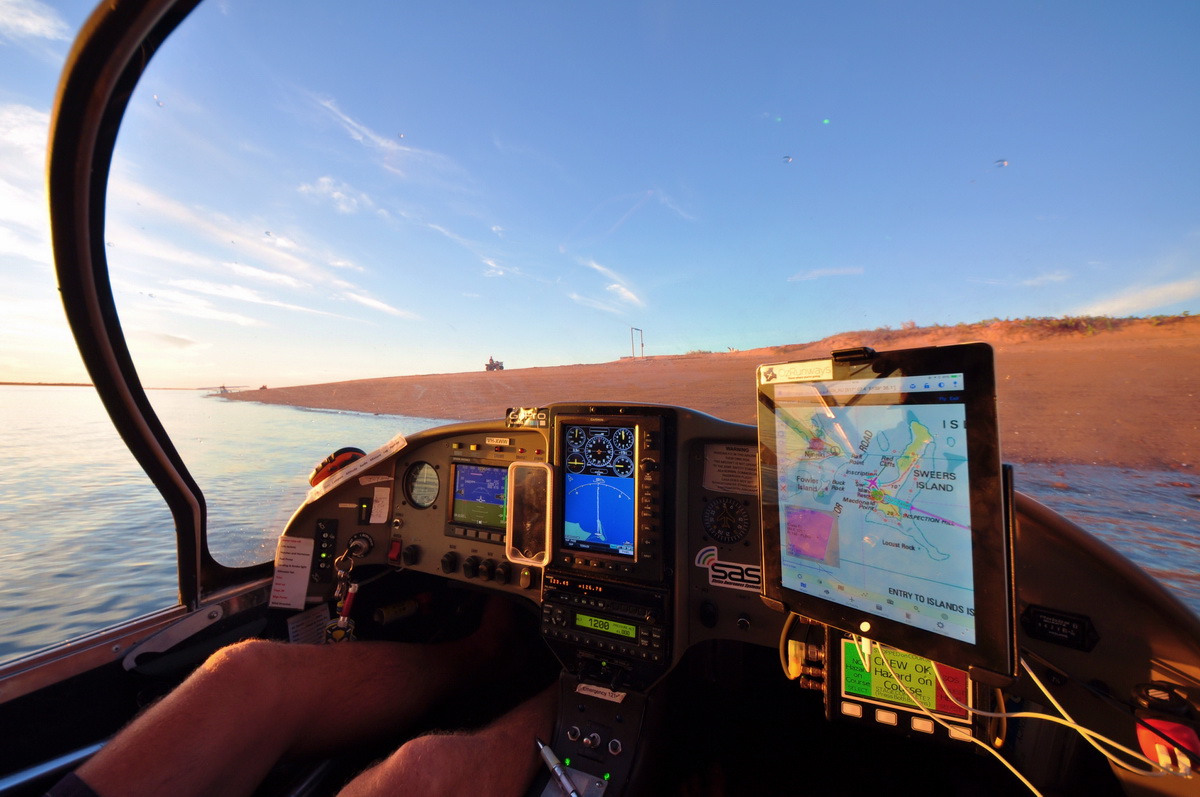
This is what you came for. Here you will learn to get the aircraft up onto the step, find the sweet spot and break the aircraft free from the water. The landing technique can best be described as being simular to a tailwheel aircraft. In any case the "runway" will never be the same twice.
10) Crosswind take-off and landing and Confined Area Operations
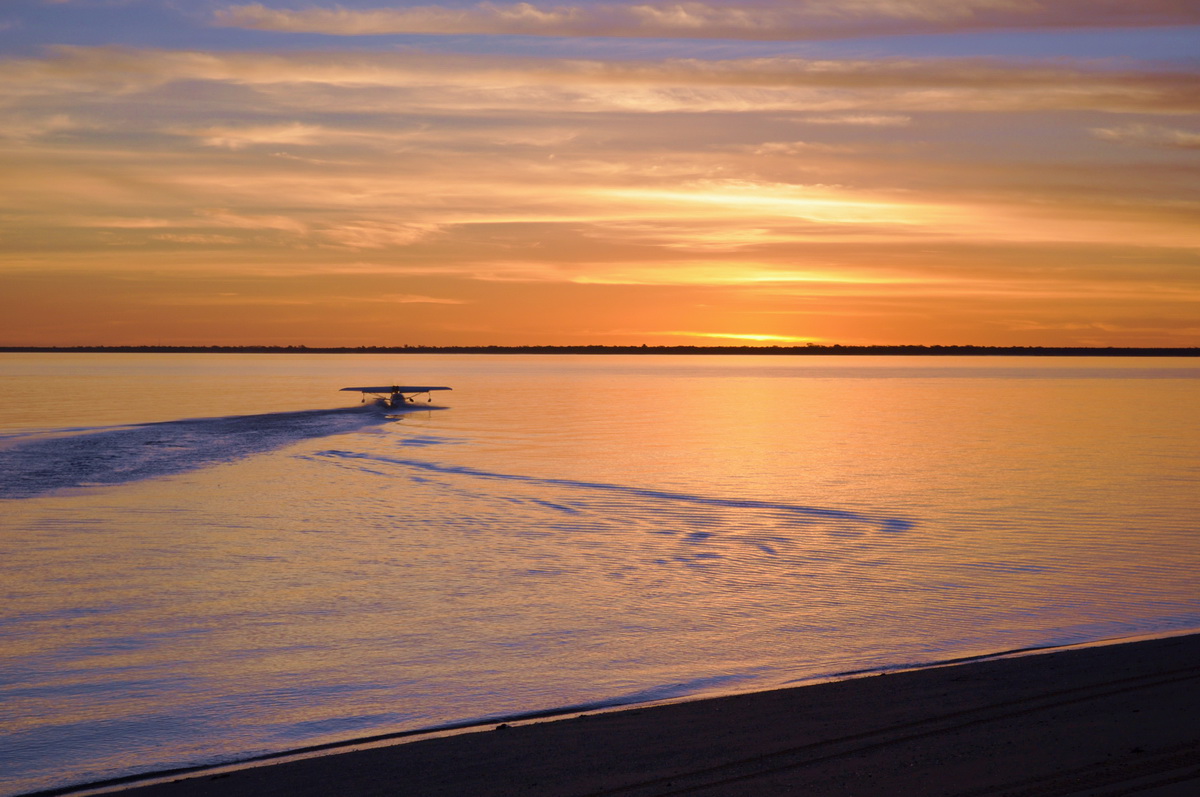
Why would you need to do a crosswind take-off or landing when you have the whole lake to operate in? When you're operating in a river and other confined areas. Many times you will have to land in small bays that you will share with boats and other surface vessels.
11) Glassy water operations
At times when the wind is dead calm the surface of the water is glassy smooth, this makes the surface impossible to see and it takes a special technique to operate in these conditions.
12) Environmental considerations
As operators of seaplanes we are very visible, so, not only do we want to do the right thing, we have to be seen to do it as well. There are a number of ways that a good seaplane pilot can reduce the impact of noise on the other users and people who live close by our waterways. We might mention here that of all the vessels that use our waterways, seaplanes are among the most environmentally friendly.
13) Emergency procedures
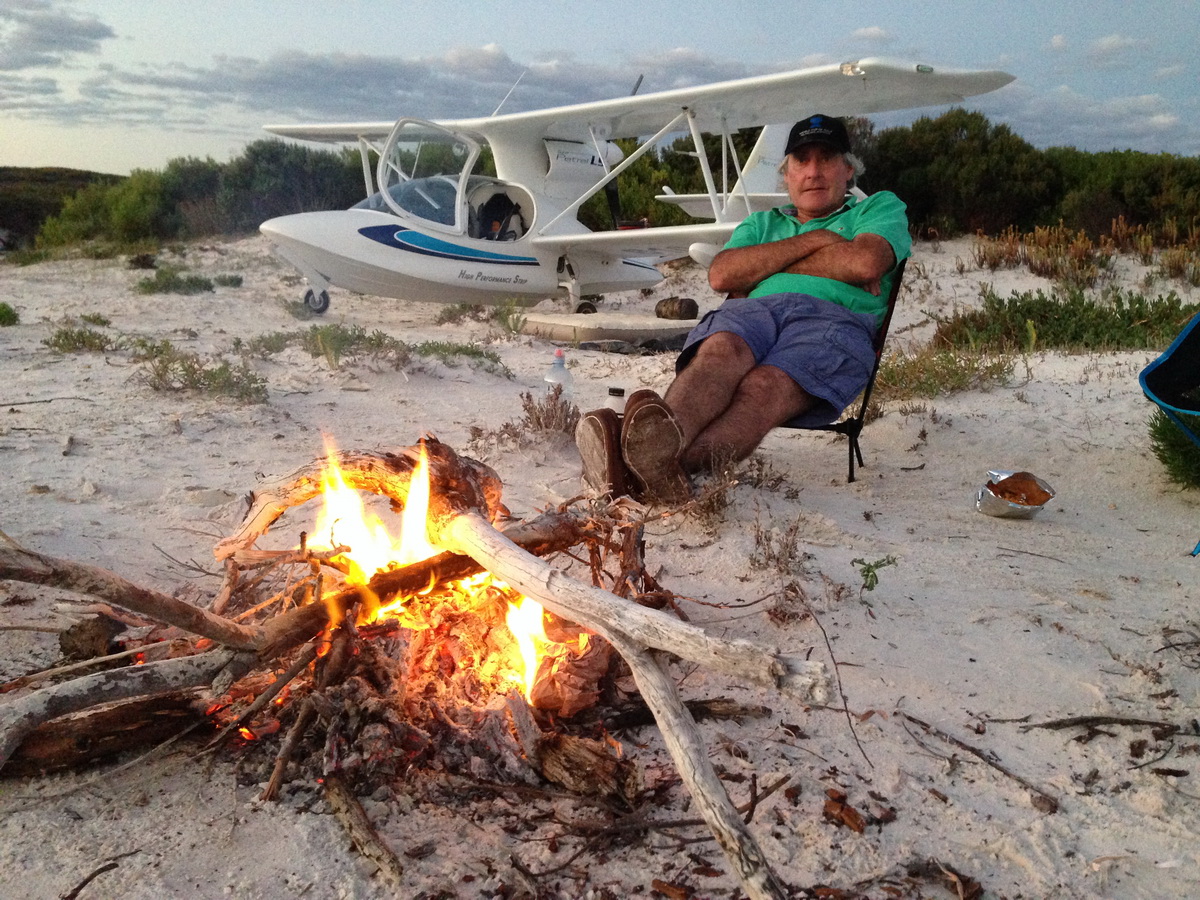
We must always have a what-if plan.
Seaplane flying is the most challenging, and most rewarding flying that you can undertake. It will take you to places that are impossible to get to by any other means. You will combine the pleasure of flying and being on the water, and at the same time develop an awareness of the environment in which you operate while increasing your skills.
To build knowledge and get an awareness of the many aspects of seaplane operations we recommend you read the following guide from the U.S. FAA (Federal Aviation Administration) in conjunction with appropriate training.
FAA-H-8083-23 Seaplane, Skiplane and Float/Ski Equipped Helicopter Operations Handbook

File size: 4.39 MB
This operational handbook introduces the basic skills necessary for piloting seaplanes, skiplanes, and helicopters equipped with floats or skis. It is developed by the Flight Standards Service, Airman Testing Standards Branch, in cooperation with various aviation educators and industry.
This is the full version of the FAA's ubiquitous guide to seaplanes, skiplanes and float/ski equipped helicopters. If you wish to print only those portions that relate to seaplane operations please copy and paste the following page numbers into the "Print Range, Pages" section of Adobe' Reader's print dialogue box:
1-3,4,6-50,60-67,76-78,80-82
Check our TRAINING DIRECTORY to find contact details for organisations Australia wide where YOU can get your feet wet!